
Understanding Hair Transplant Options in Turkey
Hair restoration has gained significant attention among individuals facing hair loss, and Turkey has emerged as a reputable destination for hair transplant procedures. This popularity comes from state-of-the-art clinics, skilled surgeons, and competitive pricing. When exploring options, best hair transplant turkey provides comprehensive insights into what to expect during your journey.
Overview of Hair Transplant Techniques
A hair transplant is a surgical procedure that relocates healthy hair follicles from a donor site, usually located at the back of the scalp, to areas experiencing thinning or baldness. The two most commonly employed techniques for hair restoration are Follicular Unit Extraction (FUE) and Direct Hair Implantation (DHI). Each method has unique benefits, and the choice largely depends on the patient’s individual needs and hair loss condition. Understanding these techniques helps patients make informed decisions about their hair restoration journey.
FUE vs. DHI: Which Method is Best for You?
FUE involves extracting individual hair follicles using a specialized instrument, which minimizes scarring and allows the patient to wear shorter hairstyles afterward. This method is widespread due to its effectiveness and low recovery time. In contrast, DHI implements an implanter tool to place the hair grafts directly into the thinning area, offering precise graft placement and minimizing the time the grafts are exposed outside the body. DHI may be preferable for hairline refinements or smaller restoration areas, while FUE is often chosen for larger transplants due to its efficiency.
Comparing the Benefits of Sapphire FUE
Sapphire FUE utilizes sapphire blades to create recipient sites for hair follicles. This approach reduces tissue trauma, which can enhance recovery time and lead to more natural-looking results. The precision of the sapphire blades allows for closer graft placement, which in turn can contribute to thicker hair coverage. Ultimately, choosing between FUE, DHI, or Sapphire FUE depends on a thorough consultation with a qualified surgeon who will evaluate individual scalp conditions and hair goals.
Why Choose Turkey for Your Hair Restoration?
Turkey’s status as a hub for medical tourism, particularly in hair restoration, can be attributed to several factors, including cost, quality of care, and availability of advanced technology. Many international patients are drawn to Turkey for competitive package prices that often range from $1,500 to $4,500. These packages can include accommodation, airport transfers, and post-operative care, making the experience seamless and affordable.
Attractive Cost Packages for International Patients
When compared to similar procedures in Western countries, the price of hair transplants in Turkey is significantly lower. This affordability does not compromise the quality of medical care; Turkey boasts some of the best clinics globally that provide premium services at a fraction of the cost. Patients can expect all-inclusive packages that incorporate travel arrangements, ensuring they receive not only a hair restoration procedure but also a pleasant and organized experience during their stay.
Reputable Clinics and Board-Certified Surgeons
Turkey is home to numerous highly-regarded hair transplant clinics that comply with international health standards. The clinics, such as Smile Hair Clinic, showcase a team of board-certified surgeons with extensive experience in hair restoration. Patients are encouraged to thoroughly research and select clinics with verifiable credentials and positive patient outcomes to ensure a safe procedure.
Success Rates and Patient Testimonials
Success rates for hair transplantation in Turkey are impressively high, generally ranging from 90% to 95% at leading clinics. Factors contributing to this success include the surgeons’ expertise, the availability of advanced surgical techniques, and comprehensive aftercare protocols. Numerous patient testimonials highlight the transformative effect of hair transplants not only on appearance but also on self-esteem and confidence levels.
The Hair Transplant Journey in Turkey
Understanding the steps involved in the hair transplant journey prepares patients for what to expect and empowers them to make informed choices. From initial consultation to post-operative care, each phase is essential in achieving desirable results.
Consultation and Pre-Operation Preparation
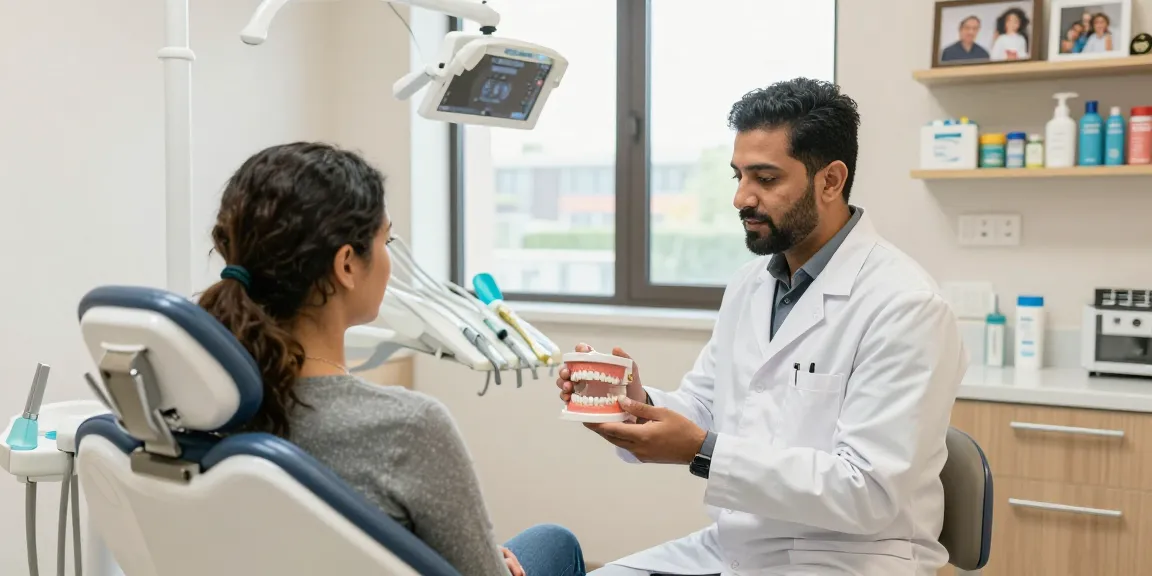
The journey typically begins online, where prospective patients submit photos and medical histories to receive preliminary assessments and pricing information. Once this initial step is completed and a decision is made, patients visit the clinic for an in-person consultation. During this time, surgeons evaluate the patient’s hair loss condition, discuss goals, and create a personalized treatment plan. Pre-operative restrictions, procedures, and realistic expectations are thoroughly discussed to ensure patients are well-prepared.
The Day of the Transplant: What to Expect
On the day of the transplant, patients are warmly welcomed by the clinic staff, who ensure comfort throughout the process. Local anesthesia is applied to numb the scalp, and the procedure itself is generally painless. Depending on the technique used, the extraction phase may take several hours, followed by the implantation ofthe grafts. Most patients are given the option to listen to music or relax during the procedure to help alleviate any anxiety.
Post-Operative Care and Recovery Guidelines
Post-operative care is crucial for the success of the transplant. Patients receive a detailed recovery plan, which includes guidelines on washing the scalp, recommended medications, and activity restrictions. Adhering to these guidelines significantly influences the healing process and promotes the likelihood of successful hair growth. Regular follow-ups with the clinic provide reassurance and support as patients navigate the early stages of their recovery.
Long-Term Expectations After a Hair Transplant
Patients often have questions about the longevity and maintenance of their hair transplants. Understanding hair growth timelines and effective aftercare can alleviate these concerns and enhance satisfaction with the results.
Understanding Hair Growth Timeline Post-Surgery
Hair typically begins to grow a few months after the procedure, with significant results becoming visible around six months. The transplanted hair continues to grow and thicken over the following months, reaching its full potential around 12 to 18 months after the surgery. It is essential to have realistic expectations regarding the timeline and final appearance.
Maintaining Results: Aftercare Tips and Tricks
Maintaining the results of a hair transplant involves practicing good scalp care and leading a healthy lifestyle. This includes following a recommended hair care regime, avoiding strenuous activities that could impact recovery, and keeping the scalp protected from sun exposure. Nutritional support and proper hydration also play roles in maintaining hair health.
What to Anticipate 10 Years After Your Procedure
Ten years post-transplant, many patients report sustained satisfaction with their results. While the transplanted hair is usually permanent due to the genetic characteristics of the donor hair, surrounding non-transplanted hair may continue to thin. Patients with continuing hair loss might explore additional options such as mini-transplants or other restoration techniques to maintain a balanced appearance.
Is Hair Transplant Turkey Right for You?
Deciding on a hair transplant involves careful consideration of eligibility, personal expectations, and a comprehensive understanding of the process.
Identifying Good Candidates for Hair Transplant
Good candidates for hair transplants typically are adults with stable hair loss patterns, sufficient donor hair, and realistic expectations for their results. Consulting with experienced professionals can help assess suitability and determine the best approach for each individual.
Consultation with Experts: Making Informed Decisions
Individuals interested in hair restoration should seek consultations with reputable surgeons. It is vital to ask questions regarding the techniques employed, expected outcomes, and post-operative care to ensure the right decision is made.
Evaluating Risks and Benefits: A Personal Reflection
Every medical procedure carries risks; hair transplants are no exception. For more information, https://www.smilehairclinic.com/en/ offers valuable insights. By evaluating potential benefits against risks, including scarring, infection, and dissatisfaction with results, patients can make informed choices regarding their hair restoration journey.